
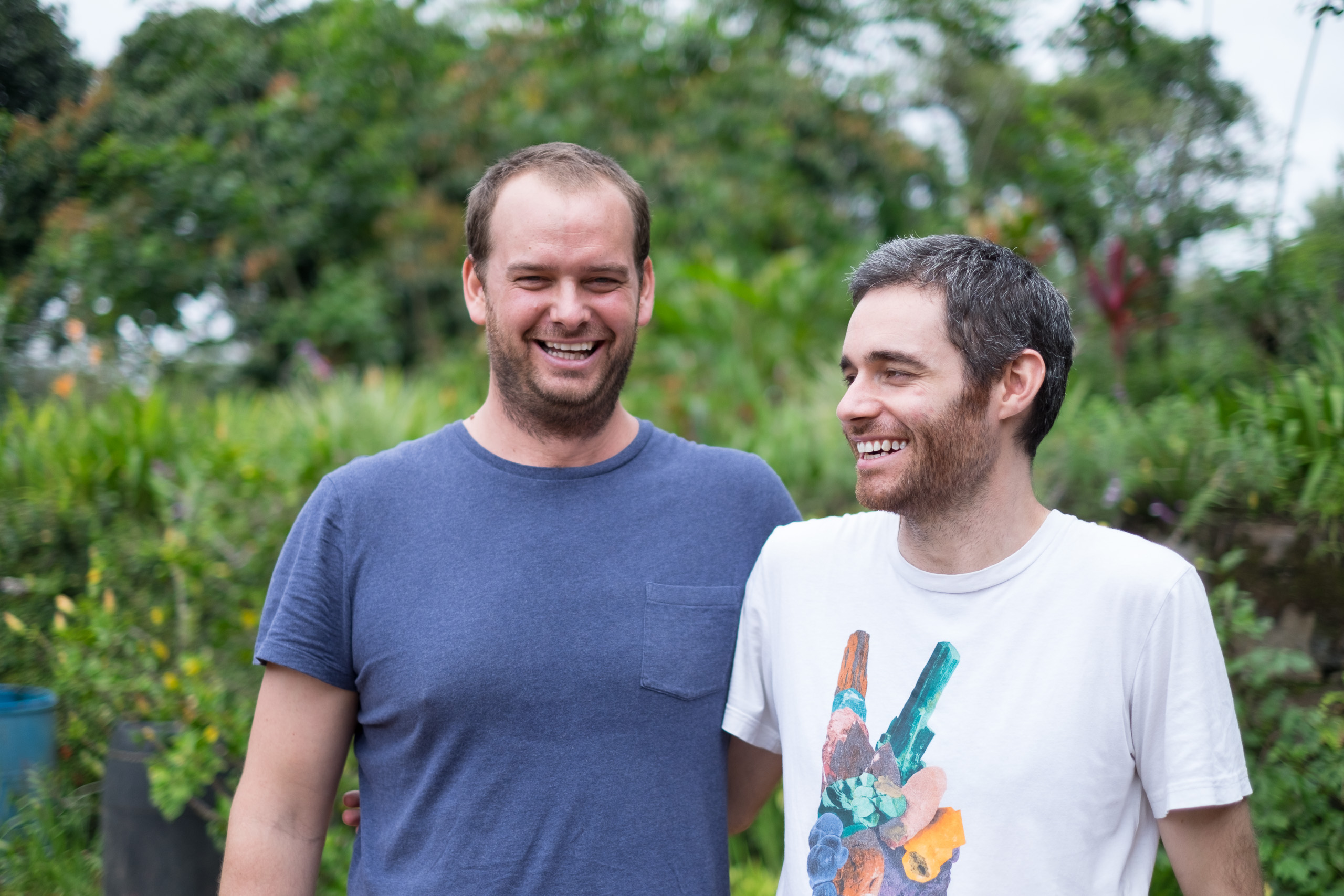
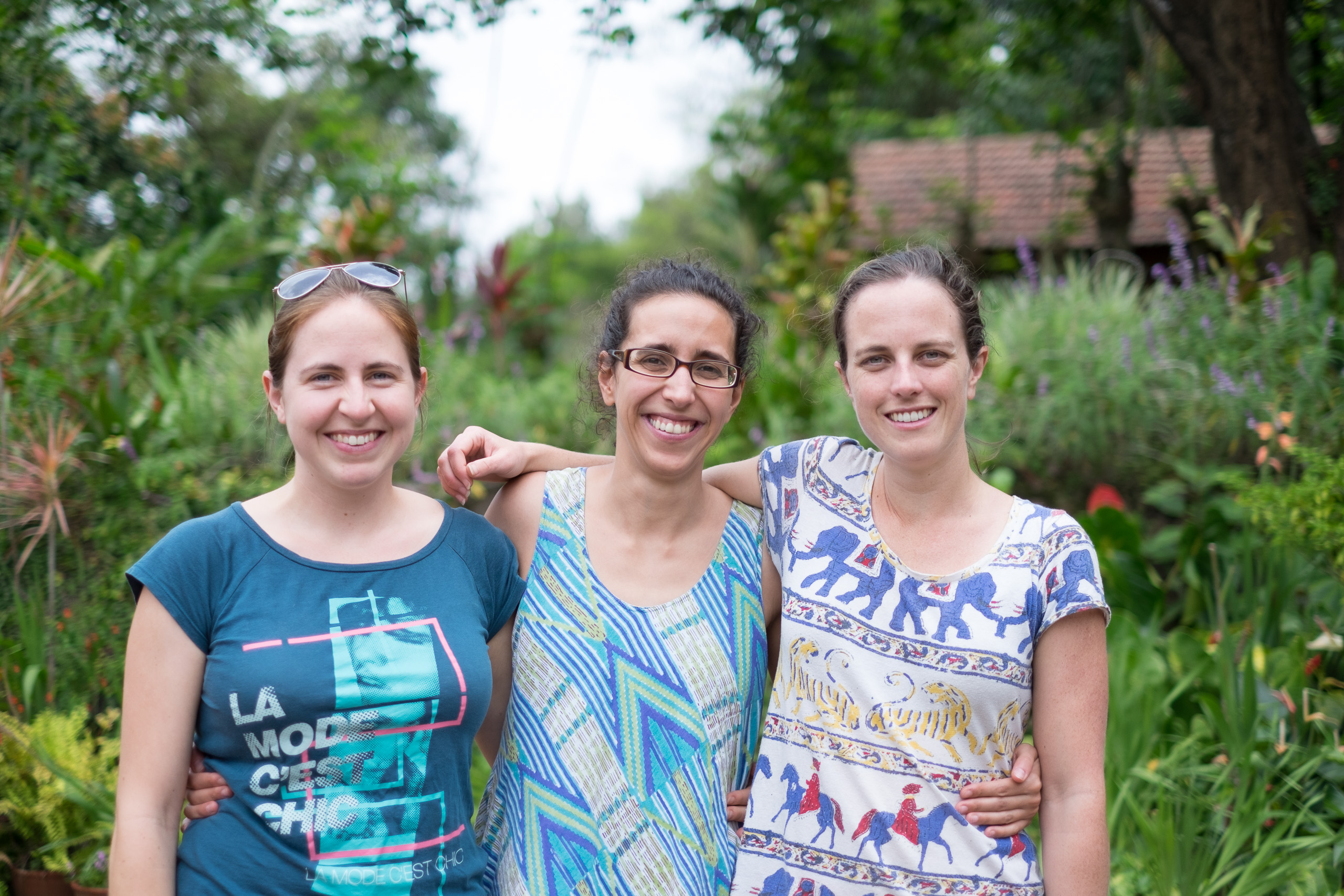
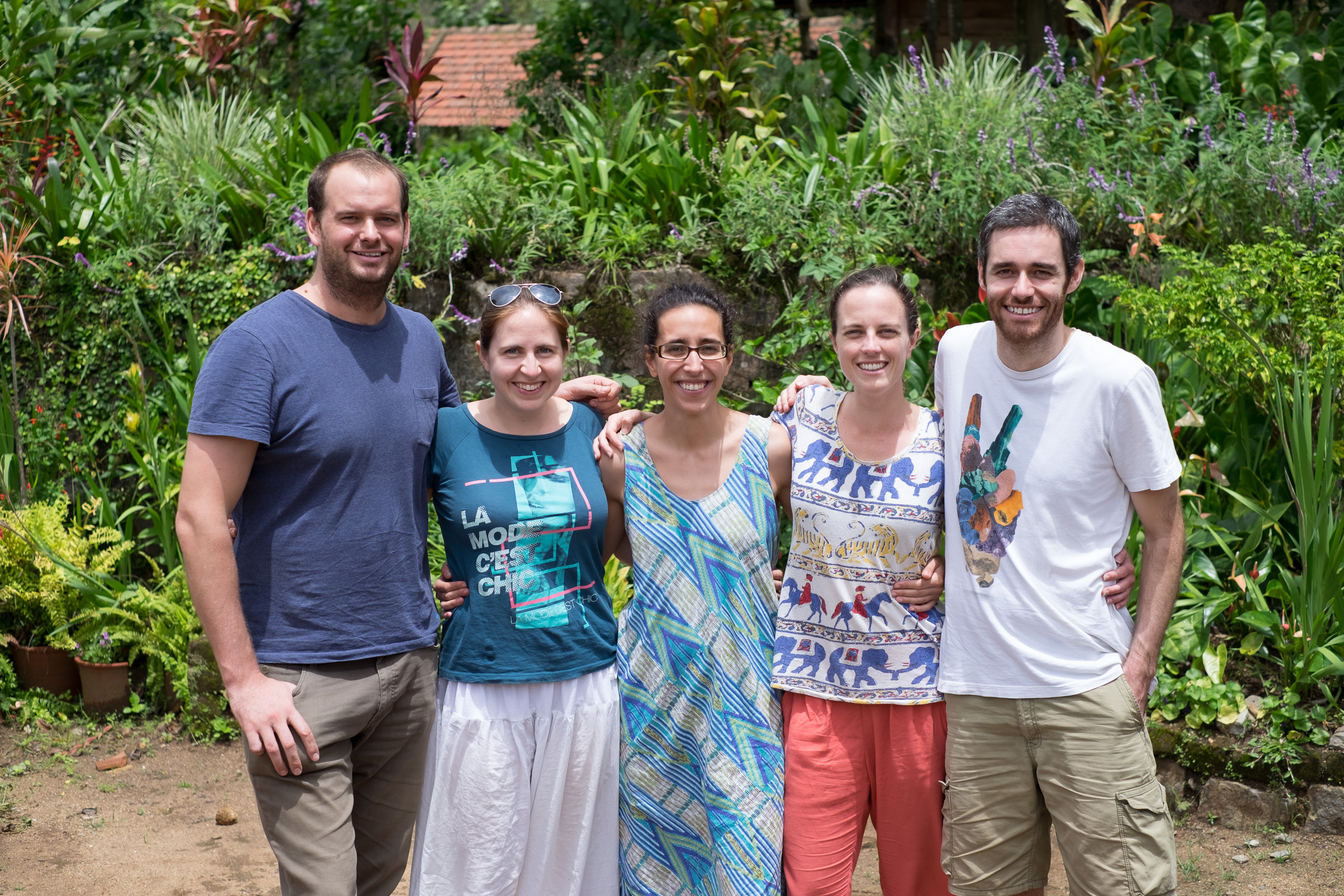
(Photo Credit Pollinate Energy)
In a visionary move, a group of young Australians are quietly transforming the lives and future of India’s urban poor through solar-powered lighting. Bridget Jackson tells the innovative story of Pollinate Energy.
The issue: Energy poverty
For many poor Indian families home is a makeshift tent, barely larger than a dining room table. The majority live life by the dim flame of a kerosene lamp and when the sun sets, so too their lives sink into darkness. The polluting kerosene is expensive and harmful to their health and until now there has been little alternative. Bound by the ongoing costs of the fuel, these families who call slum regions home live in energy poverty.
Energy poverty refers to those who are negatively impacted by a lack of access to modern energy services – the absence is a major barrier to personal wellbeing and economic development. It is estimated that 1.3 billion people worldwide live without energy. Of these, 306 million alone are in India.
So, with a mission to combat this, six young Australian friends – Emma Colenbrander, Monique Alfris, Ben Merven, Jamie Chivers, Katerina Kimmorley and Alexie Seller – came together in 2012 to find a solution, and founded Pollinate Energy.
The solution: A solar light
By removing the reliance on kerosene and lifting the financial burden, affordable, clean, renewable energy would ease the poverty cycle and improve the families’ health and prospects. Coming up with the concept was the easy part – the type of light, cost and distribution all had to be worked out.
Existing connections with NGOs in Bangalore helped facilitate in-depth surveys in communities to determine the most suitable system. Interestingly though, it wasn’t just a light that people wanted but one with a built–in phone charger. With greater access to a mobile than toilet, the ability to recharge one’s phone and stay connected proved a big drawcard.
“We also had to ascertain how much they’d be willing to pay. The lights being sold cost between AUD$30-50 each, over a five week period, but once that’s paid off the family can then save up to AUD$100 a year – money that would have previously gone on kerosene,” explains Alexie Seller, Pollinate Energy’s Australian National Manager.
“We realised too that families couldn’t see the value of a range of solar lights on a market stall – it had to be through education and demonstration – so we took them to the communities at night, then they could really see the benefits.”
Reaching the communities
The distribution model is a creative approach to working within the confines of a hybrid business structure and operates on two levels: the provision of community access to affordable clean energy and the economic empowerment of communities through job creation.
Essentially the team has developed a ‘business in a bag’ – recruiting and training local entrepreneurial men and women, known as Pollinators, whilst providing them with the support to start and run their own businesses, selling renewable energy to community residents on deferred payment plans.
The Pollinator isn’t just a salesperson, they are the link between Pollinate Energy and communities, forming the backbone of the micro-distributor network and close ties with residents. In Bangalore there are now up to fifteen Pollinators, reaching new families daily and selling up to 50 lights a month.
Straddling two countries
Unfortunately as a foreigner, it’s not that easy to turn up and provide a solution. Challenged by bureaucracy, the Pollinate Energy team opted for a hybrid business structure so they could meet, but not compromise, their aim. To fundraise in Australia, a charity was necessary but this wasn’t possible in India, so they registered a private company. Not able to employ directly in India, the Pollinators are trained and supported to become micro-franchisees. Complicated perhaps but it means the private company is owned by an Australian charity, “So it has that social stamp on it, with all profits reinvested,” according to Seller.
The value of asking for help
Much of Pollinate’s success can be attributed to the founders’ ability to ask for help. Even though each of them had experience in energy poverty, international development or social enterprise, they weren’t necessarily equipped with the skills to develop and run such an enterprise.
“Mentoring has been a huge part of our success. We were all aware of our inexperience and actively sought out two or three mentors each to help with specific elements of the business,” says Seller. With a team of approximately 18 mentors, each of the founders have been provided with valuable guidance.
Harnessing interest
To harness interest from those eager to lend skills and have an impact on the ground, Pollinate developed two structured programs – the Fellowship, aimed at final year undergraduates and the Young Professionals Program for those who bringing valuable skills whilst enhancing their own capacity for creating change. The programs run for a few weeks each year and provide crucial support to Pollinate’s team.
But engaging the broader Australian audience, “Was a challenge. We had to work out the best way so that people could see the value for themselves too.”
A partnership with Powershop created Pollinate Power, an initiative enabling householders to support renewables. By switching to Powershop, through Pollinate Power, an initial donation is made which supports lights for ten families, then an ongoing donation is made for all the energy consumed. By using renewables in Australia, householders can continue to support the supply of renewables in India.
Bringing a brighter future
What appears a simple solution has taken a lot to refine, but now brings real and tangible results. Today, Pollinate Energy has reached 41,229 families across 886 communities. Bangalore is firmly established and with teams forming in Hyderabad and Kolkata, they starting a migration northwards with a goal of reaching communities in the 53 tier-one cities by 2020.
Quote: “We realised too that families couldn’t see the value of a range of solar lights on a market stall – it had to be through education and demonstration – so we took them to the communities at night, then they could really see the benefits,” Alexie Seller, Pollinate Energy’s Australian National Manager.